

How to Read Your Tyres
Your tyres have everything you need stamped on the side - you just need to know where to look. These markings helps you choose the right replacement tyres for your vehicle.
What You’re Looking At
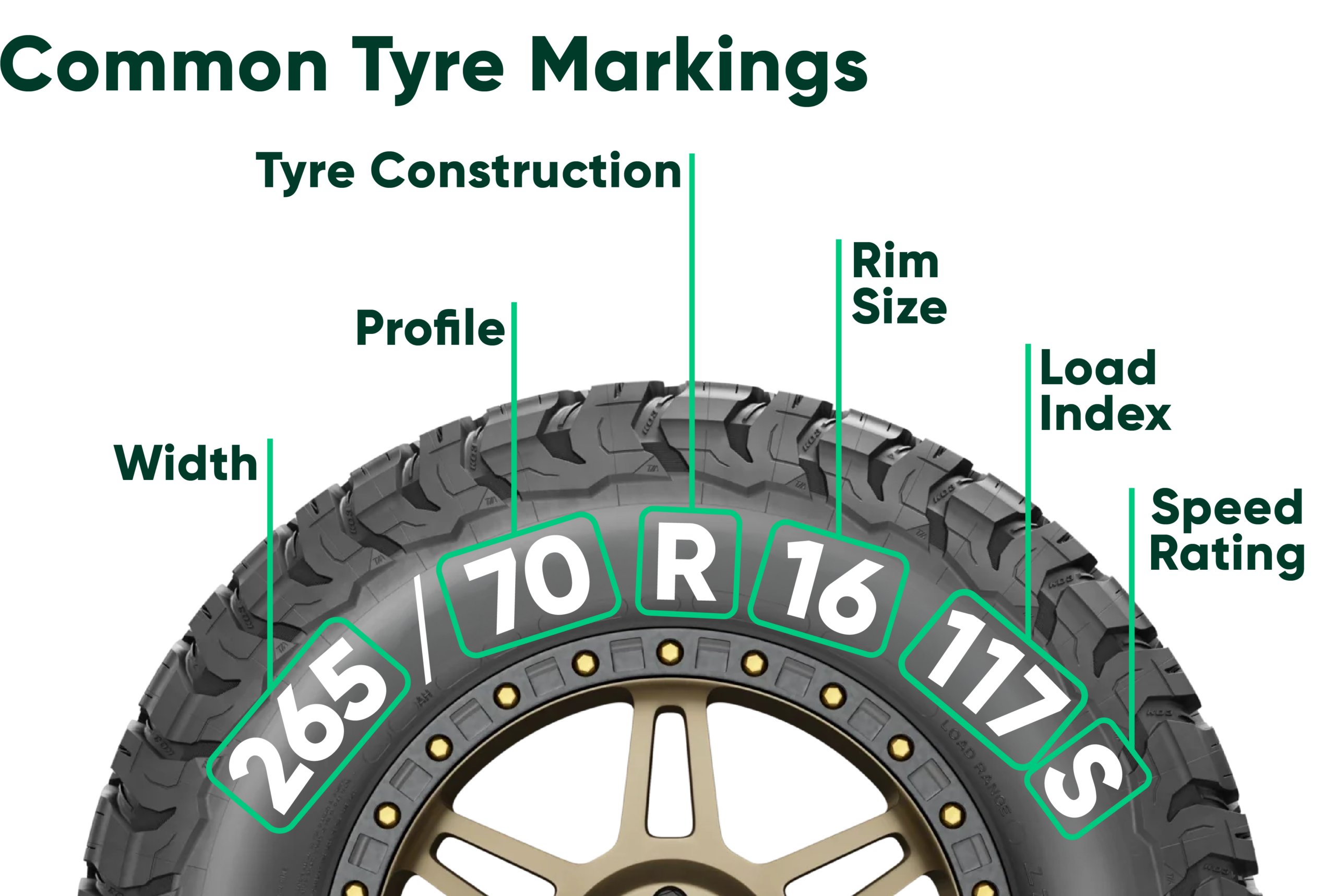
All those markings on the side of your tyre tell you its size, strength, and limits.
It appears in this order:
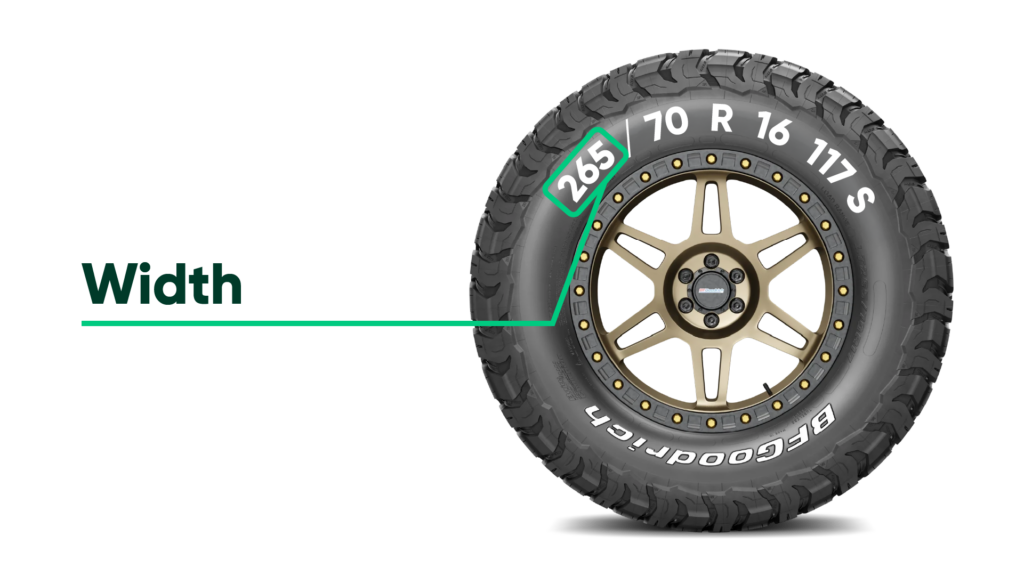
Width
How wide the tyre is (in mm).
Wider tyres can give more grip, but may use a bit more fuel.
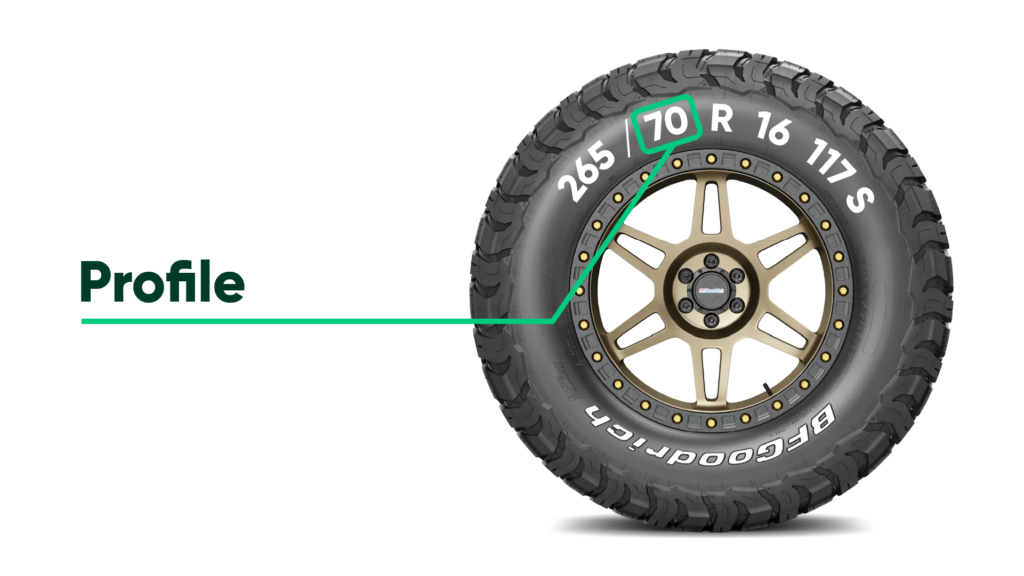
Profile
How tall the sidewall is compared to the width.
Higher profile = more comfort.
Lower profile = sharper handling.
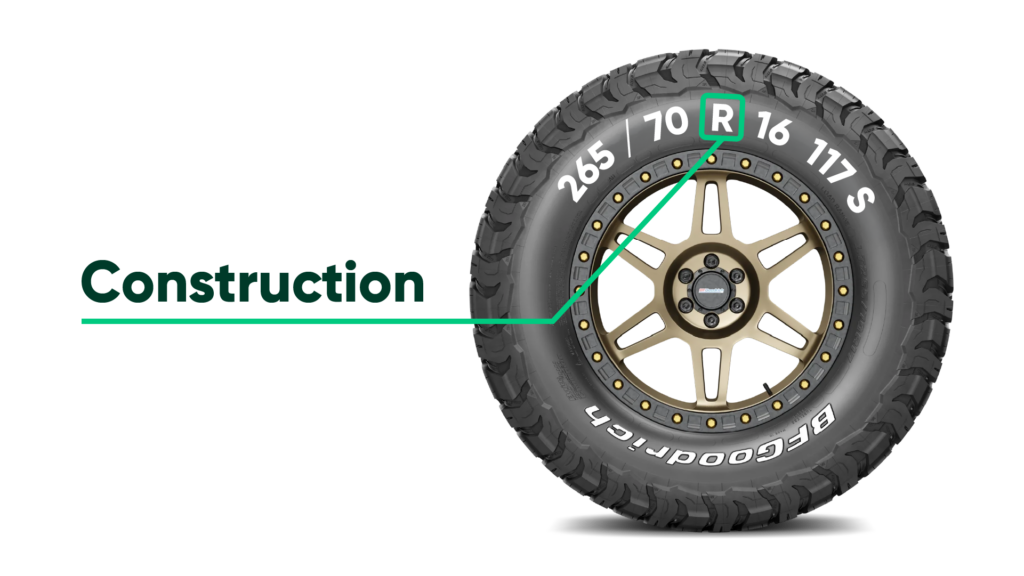
Construction
This tells you how the tyre is built.
Most modern tyres are radial (R) — the standard for everyday vehicles, utes, tractors, and most farm and road use.
You may also see:
Bias (B) – A tougher, stiffer tyre often used on trailers and older farm equipment.
Bias belted (BB) – A less common option that sits between bias and radial.
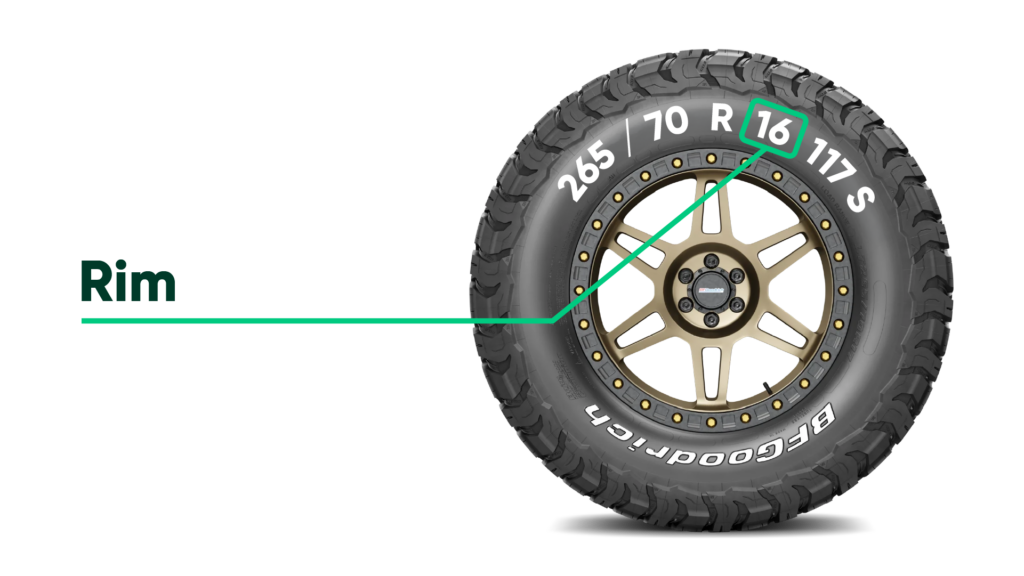
Rim Size
The size of the wheel the tyre fits onto (in inches).
It has to match properly — no shortcuts here.
Load Index
How much weight the tyre can safely carry.
Important for utes, trailers, and loaded vehicles. See our table below for the full list of load indexes.

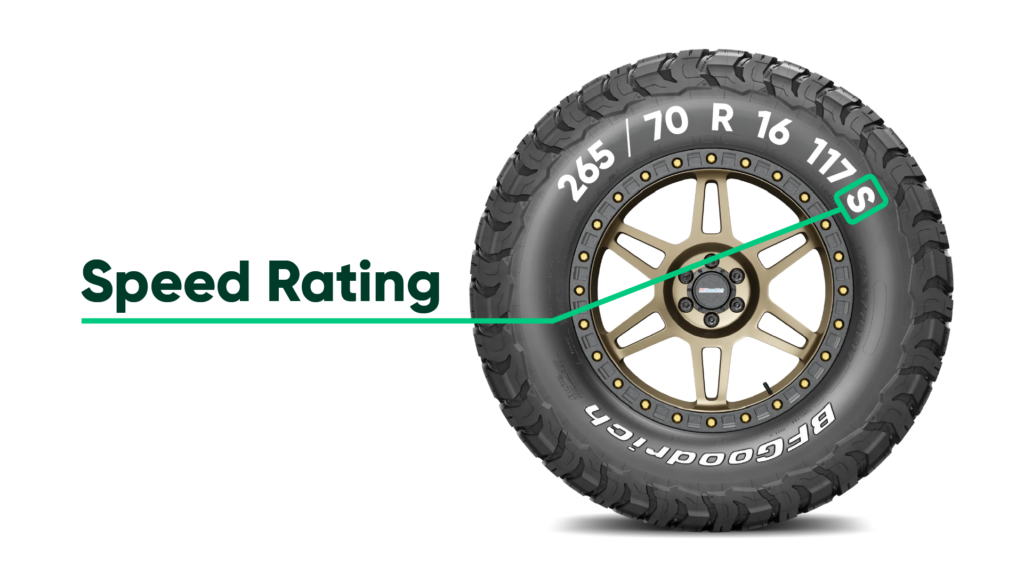
Speed Rating
The maximum safe speed the tyre is designed for.
Most road tyres are well above normal driving speeds. See our table below for the full list of speed ratings.
Load Index
What does it mean?
The load index tells you how much weight each tyre can safely carry when it’s properly inflated.
Check the number on your tyre and match it to the table below to see its load capacity. It’s important this meets — or exceeds — what your vehicle needs, especially for utes, trailers, and loaded farm gear.
| Load Index | Max Load (kg) |
Load Index | Max Load (kg) |
Load Index | Max Load (kg) |
Load Index | Max Load (kg) |
Load Index | Max Load (kg) |
Load Index | Max Load (kg) |
| 60 | 250 | 85 | 515 | 110 | 1060 | 135 | 2180 | 160 | 4500 | 185 | 9250 |
| 61 | 257 | 86 | 530 | 111 | 1090 | 136 | 2240 | 161 | 4625 | 186 | 9500 |
| 62 | 265 | 87 | 545 | 112 | 1120 | 137 | 2300 | 162 | 4720 | 187 | 9750 |
| 63 | 272 | 88 | 560 | 113 | 1150 | 138 | 2360 | 163 | 4875 | 188 | 10000 |
| 64 | 280 | 89 | 580 | 114 | 1180 | 139 | 2430 | 164 | 5000 | 189 | 10300 |
Speed Rating
What does it mean?
The speed rating is the letter at the end of your tyre size. It shows the maximum speed the tyre is designed to handle safely.
Match the letter on your tyre to the table below to see its rating. When replacing tyres, it’s best to stick with the same rating or higher.
For most everyday driving, it’s well above the speeds you’ll actually be doing — but it still needs to be right for your vehicle.
| Speed Symbol | Rating | Speed Symbol | Rating (km/h) |
| E | 70 | R | 170 |
| F | 80 | S | 180 |
| G | 90 | T | 190 |
| J | 100 | U | 200 |
| K | 110 | H | 210 |
| L | 120 | V | 240 |
| M | 130 | W | 270 |
| N | 140 | Y | 300 |
| P | 150 | Z | 240+ |
Extra Tyre Abbreviations
Some tyres may have extra numbers and letters.
For portraying important information such as the size and specifications of the tyre. Also to prove that each tyre has passed necessary safety standards.
- LT – Light Truck
- M+S – Mud and snow condition
- RFT / SSR – Run Flat tyres
- TL / TT – Tubeless / Tube type
- XL – Extra Load
- Brand or manufacturer specs (e.g. BMW, Porsche approvals)
Tyre Technologies
These are just a few examples of the extra technologies that can be found in modern tyres. The tyre industry continues to innovate and integrate new technologies into their tyres to improve safety, performance, and functionality in different applications and industries.
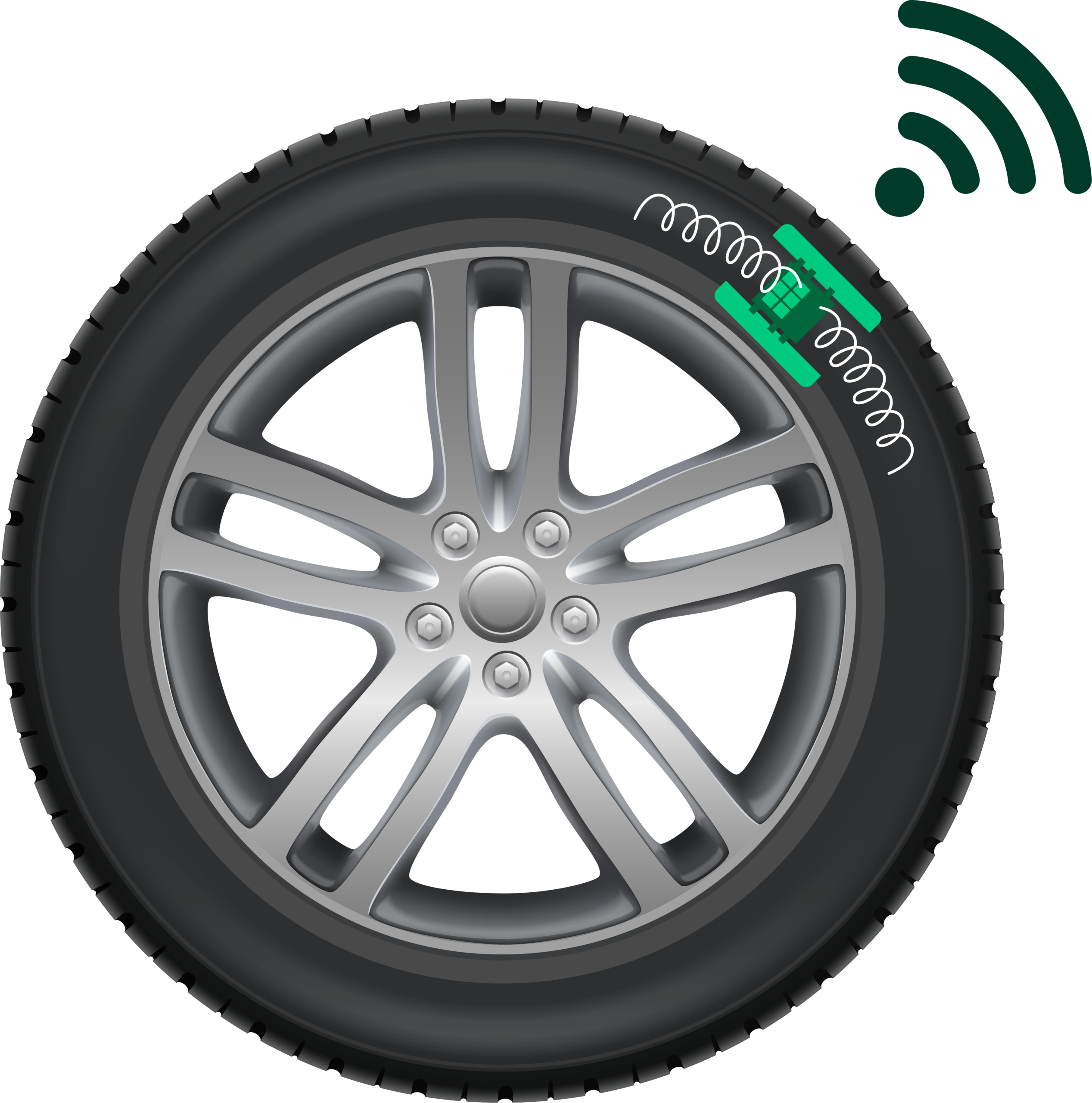
- Smart / sensor tyres can monitor pressure and temperature on some systems
- Run Flat tyres keep you moving after a puncture so you can get somewhere safe. Shop run flat tyres.
- Heavy-duty agricultural tyres (VF) are designed for soft ground and heavy loads
- Low rolling resistance tyres help improve fuel efficiency.